Finding the right gift is a skill, and like any skill, it improves with a framework. Most people approach gift shopping by browsing stores and hoping something jumps out. That approach leads to generic gifts and last-minute panic buys. This guide gives you a system that works for any occasion, any recipient, and any budget.
The Three-Question Framework
Before you start shopping, answer these three questions about the recipient:
- What do they do daily? Gifts that fit their routine get used. Gifts that require a new routine get forgotten.
- What have they mentioned wanting but not bought? People often express desires indirectly. Pay attention to comments about things they admire but consider too indulgent to buy for themselves.
- What is their aesthetic? A gift that matches their taste shows you pay attention. A gift that does not, no matter how nice, feels disconnected.
Gifts by Occasion
Birthdays
Birthday gifts should feel personal, not obligatory. The best birthday gifts acknowledge something specific about the person — their hobby, their taste, a shared memory. Avoid generic gifts like candles or gift cards unless you know the person specifically wants them.
Anniversaries
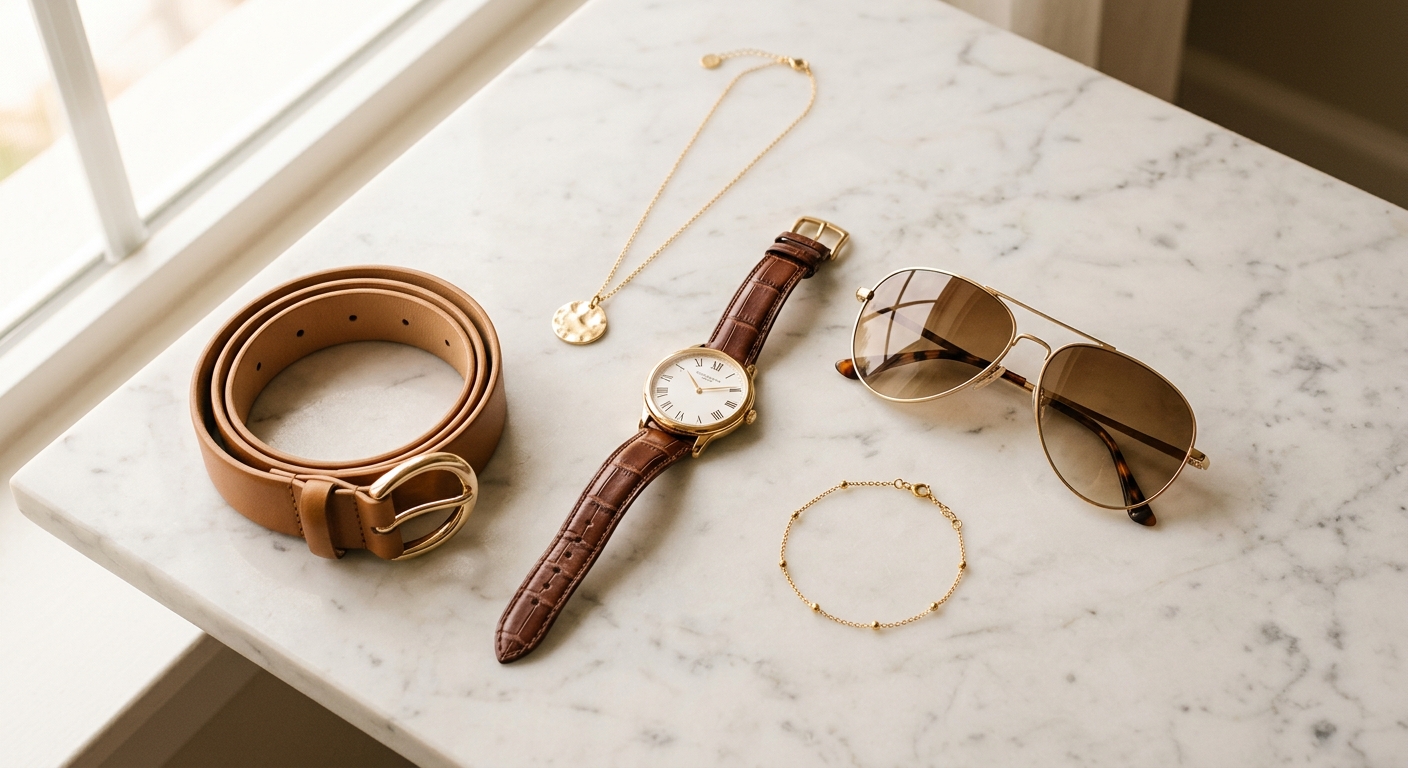
Anniversary gifts work best when they reference the relationship. A framed photo from a trip you took together, a book by an author you both love, or a piece of jewelry that complements something they already wear. For help choosing accessories as gifts, see our accessories guide.
Holidays
Holiday gifts can be more general since you are often buying for multiple people. Set a budget per person and stick to it. Quality within a budget always beats stretching the budget for quantity.
Thank You and Sympathy
These gifts should be understated. A handwritten note paired with a small, high-quality item — gourmet chocolate, a single candle, a potted plant — carries more weight than an oversized gift that creates obligation.
Gifts by Recipient
For Your Partner
The best partner gifts solve a problem or fulfill a desire they have expressed. If they mentioned their wallet is falling apart, a new leather wallet is perfect. If they have been eyeing a specific watch, that is your gift. The thought is in the listening, not the price tag.
For Friends
Friend gifts should be fun, not heavy. A book you loved, a bottle of wine you enjoyed together, or a small accessory that matches their style. Avoid anything that creates obligation or makes the friendship feel transactional.
For Family Members
Family gifts can be sentimental. A photo album, a restored family recipe, or something that connects to shared history. These gifts often mean more than expensive items because they require time and thought, not money.
For Coworkers
Keep it professional and neutral. A desk plant, a quality notebook, or gourmet coffee. Avoid personal items like clothing or jewelry — the line between thoughtful and inappropriate is thin in professional settings.
Budget Does Not Determine Quality
A $20 gift chosen with thought beats a $200 gift chosen randomly. Here is how to maximize impact at any budget:
Under $25
- A book by an author they love
- Gourmet food items they would not buy for themselves
- A quality notebook and pen set
$25 to $75
- A leather card holder or keychain
- A silk scarf in their favorite color
- A desk accessory they will use daily
$75 to $200
- A quality leather wallet or belt
- A piece of jewelry in their preferred metal
- A watch that fits their lifestyle
Above $200
- Fine jewelry with personal significance
- A timepiece they have wanted
- An experience — concert tickets, a weekend trip, a cooking class
The Presentation Matters
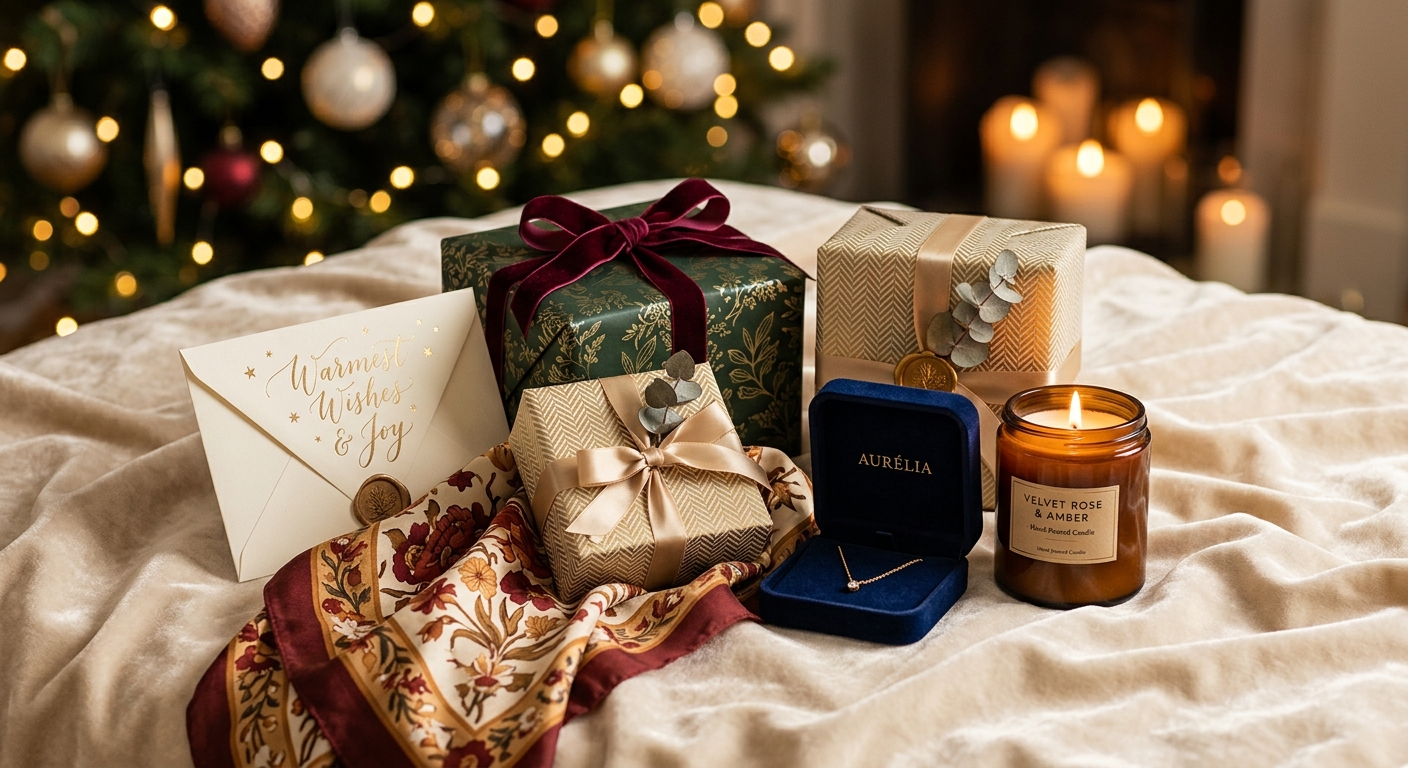
Even the most thoughtful gift loses impact with poor presentation. Take five minutes to wrap it properly or use a quality gift box. Include a handwritten note — typed cards feel impersonal, and the note is often kept long after the gift is in use.
People remember how a gift made them feel, not what it cost. The wrapping, the note, and the moment of giving matter as much as the item itself.
Gifts to Avoid
- Anything that implies the person needs to change — fitness equipment, self-help books, skincare for aging
- Highly personal items for new relationships — perfume, clothing, underwear
- Anything that requires significant assembly or setup
- Regifted items unless you are certain the recipient has no connection to the original giver
When in Doubt
If you genuinely cannot think of something after going through the framework, choose an experience over an object. A dinner reservation, a museum membership, or a class in something they enjoy. Experiences create memories, and memories do not clutter closets.
Final Thoughts
Gift giving becomes easy when you stop focusing on the object and start focusing on the person. The three-question framework works because it shifts your attention from what is available to what is meaningful. For more lifestyle and fashion guidance, visit our blog or browse our collections.